
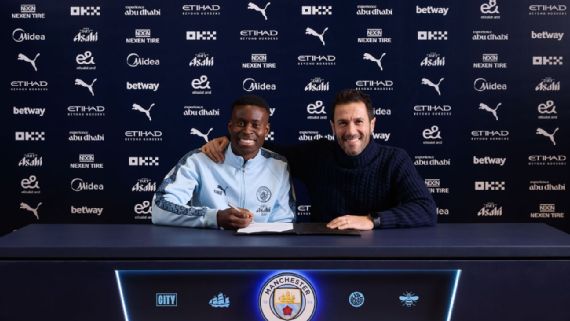
Guéhi's surprise £20m switch to City — and reports he’ll earn near £300k/week — underlines Liverpool’s wage limits and transfer hesitation. Punters: consider backing Liverpool to concede more goals or to drop points in coming fixtures (e.g., Liverpool to concede Over 1.5 goals or rivals to beat Liverpool), as defensive reinforcements may now be delayed until summer.
Guéhi Deal Exposes Liverpool’s January Gamble
Liverpool’s hopes of landing Marc Guéhi this window collapsed as the defender completed a reported £20m move to a Premier League rival. The departure highlights a wider problem: Liverpool’s reluctance to match a hefty wage package as the club sticks to a strict pay structure under ownership. That stance has left the Reds short of defensive reinforcements at a time when injuries and contract uncertainty demand urgent action.
How the transfer unfolded
Negotiations for Guéhi intensified late in the window. A previously accepted offer and partial medicals failed to secure a switch to Anfield when Palace reportedly pulled the plug, unable to find a replacement. The player instead agreed terms with a different club, reportedly on a lucrative weekly wage that Liverpool were unwilling to match. The saga underscores the risks of treating certain targets as opportunistic rather than priorities.
Wage Structure vs. Immediate Needs
Liverpool’s ownership model emphasizes financial discipline and a clear wage hierarchy. That approach can protect long-term sustainability but risks short-term competitive damage when key targets demand premium contracts. Guéhi’s wage demands — widely reported to be among the club’s top earners — illustrated the tension between sticking to policy and addressing pressing squad deficiencies.
When policy clashes with the market
The January market often forces clubs into uncomfortable choices: overpay for immediate impact or hold fire and hope to buy cheaply later. Liverpool’s decision to step back from a deal this month suggests a preference to pursue Guéhi on a free next summer, but with his contract now resolved elsewhere, that avenue is closed — and Liverpool’s recruitment list has grown longer as a result.
Injuries and Squad Balance: Why Reinforcements Matter
A raft of injuries and expiring contracts leaves Liverpool exposed across the spine of the team. A striker is sidelined with a long-term leg injury, key full-backs face lengthy recoveries, and several senior defenders and midfielders are entering the final years of their deals. Young talents are promising but still untested at length, meaning immediate, experienced reinforcements could be decisive for the remainder of the campaign.
Risk to Champions League ambitions
Liverpool currently occupy a top-four spot, but the squad’s thinness and recent form fluctuations put that position under threat. With rivals strengthening and a congested fixture list ahead, a failure to bring in quality cover now — or aggressively in the summer — could jeopardize automatic qualification and the financial security it provides.
Managerial and Backroom Uncertainty
Off-field ambiguity compounds on-field problems. The head coach retains backing but is operating in a landscape where key sporting executives are nearing contract expiries. That instability can slow decisive recruitment and strategic planning, making urgent improvement in recruitment clarity essential.
Lessons from past windows
History offers cautionary tales for clubs that delayed decisive action in January. Missed opportunities to address clear weaknesses have led to scramble purchases or seasons of underperformance. Liverpool’s recent heavy summer spending reshaped the squad, but gaps remain — particularly in defence and a specialist defensive midfielder — that look increasingly pressing.
What Liverpool Must Do Next
The club faces a multi-pronged task: identify targets who can arrive this summer or in future windows, balance wage demands with squad harmony, and resolve contract situations to avoid further departures. Prioritising experienced centre-backs and a holding midfielder should top the agenda, while careful succession planning for aging first-team figures is essential.
For supporters and decision-makers
Patience and prudence have value, but so does recognising when immediate investment is needed to protect sporting objectives. If Liverpool wish to avoid another campaign where squad issues dictate results, transfer strategy must pivot from opportunistic to proactive — and soon.
25 Clubs That Have Spent Most Money in Football History
Liverpool's failure to sign Marc Guéhi, allowing him to join Manchester City instead, could prove more costly than last summer's spending spree.
 Espn United Kingdom


