Barcelona’s team-run “shakedown” looked like an extended closed test — heavy mileage but restricted media access. For bettors: avoid backing early title favourites based solely on these runs; wait for Bahrain tests for clearer pace and upgrades. Consider small stakes on teams showing strong reliability for early podiums, but don’t commit to long-term outrights yet.
Barcelona shakedown sparks controversy as teams run extended sessions behind closed doors
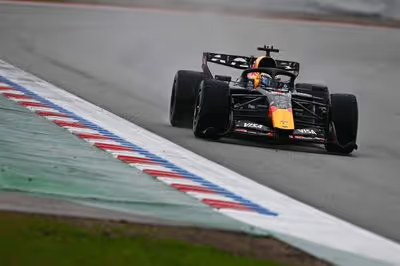
Teams kicked off preseason running in Barcelona with an event organized by the squads themselves and limited to three days of participation per team. Although labeled a “shakedown,” the Formula 1 session allowed substantial mileage and was closed to independent media, prompting debate over transparency and what the early data truly reveals about 2026 contenders. Mercedes and Haas logged heavy mileage (150+ laps), while Red Bull completed a first-day century and topped the timing sheet.
Why teams call it a shakedown — protecting development and managing exposure
Reliability and mileage over spectacle
For many teams the aim in Barcelona was straightforward: accumulate mileage and validate systems on a familiar circuit rather than chase headline lap times. With an all-new V6 hybrid era underway, engineers prioritized uncovering teething issues and refining setups. Limiting public access reduces the risk of premature narratives around failures and gives teams space to iterate before the larger, more transparent Bahrain tests.
Commercial and broadcast considerations
The choice to limit media presence also reflects the modern reality that preseason running can be low-engagement TV — long stints of calibration and fuel/engine-window work are not compelling viewing. Teams can therefore balance technical work with controlled PR, saving more substantive revelations and upgrades for the official Bahrain sessions where wider coverage resumes.
Arguments for transparency — missed storytelling and fan engagement
Fans, misinformation and narrative control
Critics argue that closing the session robs fans and independent analysts of an early look at new designs and performance trends. A tightly controlled environment can foster speculation and opens the door to misinformation, especially on social platforms. There’s also an editorial case that early struggles and recoveries make for compelling stories about development and resilience — narratives that are muted when access is restricted.
What this means for bettors
Interpreting testing data and making smarter wagers
Testing times and mileage are notoriously unreliable indicators of race performance. Teams use different programs (fuel loads, engine modes, durability runs) and may deliberately mask true pace.
Key betting takeaways:
- Delay large outright bets: Wait for Bahrain tests and race-simulation runs before committing to season-long markets.
- Watch reliability signals: Heavy mileage with few issues can suggest lower DNF risk early in the season; that might offer value in markets tied to finishing positions or early podiums.
- Treat lap charts cautiously: A single team’s top time in a closed test is not firm evidence of race-winning form. Prefer shorter-term markets (e.g., sprint/first-race podiums) with conservative stakes until more data arrives.
What to watch next
Bahrain tests will be decisive
The upcoming Bahrain sessions, with broader media access and the arrival of early upgrades, will offer a clearer picture of pecking order and reliability. Punters and analysts should use those tests to reassess market positions and identify genuine value once teams’ true performance windows and race setups become visible.
How Lewis Hamilton is making his mark at Ferrari: ‘This car has a clear direction’
The 2026 F1 preseason kicked off with a private test for teams in Barcelona this week. Was the secrecy necessary?
 Theathleticuk