
With several events starting before the Feb. 6 Opening Ceremony, early curling and ice-hockey results can shift futures and live-betting prices; savvy punters may find value in pre-tournament lines before markets readjust after opening-day outcomes.
Why some Olympic events begin before the Opening Ceremony
The Milan-Cortina 2026 Winter Olympics officially run Feb. 6–22, but organizers stagger several tournaments to finish within that window. Team sports and multi-stage events need extra calendar days for round-robin play, knockout rounds and training runs. Starting a few days early ensures tournaments conclude before the Closing Ceremony and gives athletes time to adjust to venues and conditions.
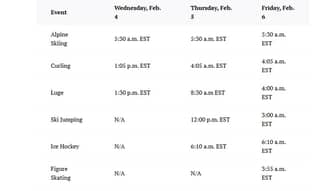
Which sports kick off ahead of the opening
Curling
Mixed doubles round-robin play begins Feb. 4, launching a nearly weeklong sequence that determines qualifiers for knockouts. The men's and women's tournaments follow, with the women's gold-medal match scheduled on the morning of the closing day.
Ice hockey
The Olympic hockey tournament also opens before the ceremony to accommodate group stages and playoffs spanning most of the Games.
Luge and alpine skiing
Alpine skiing and luge hold official training runs starting Feb. 4 so athletes can adapt to tracks and weather. Those practice sessions are essential for safety and performance at venue-specific courses.
Ski jumping, snowboarding and figure skating
Ski jumping begins official training on Feb. 5, while snowboarding and figure skating events also start the day before the Opening Ceremony, meaning competition will already be underway when the torch is lit.
Schedule implications and logistics
Tournament-style sports routinely exceed a 16-day window when you factor in qualification, rest days and weather contingencies. Rather than extend the official Games by several days, the IOC and event planners front-load competitions, so all medals can be awarded and broadcast windows fulfilled.
Betting angle: what punters should consider
Early results affect futures and lines
Outcomes from pre-ceremony rounds — especially in curling and ice hockey — will influence futures markets and public perception. Early upsets or dominant performances can shift odds on medal markets, so bettors looking for value should monitor initial matches closely.
Live and pre-tournament opportunities
Markets may be softer before the global attention peaks on opening night. That creates opportunities for sharp bettors to exploit mispriced lines in pre-tournament and live markets, but be mindful of limited sample sizes and roster rotations during early games.
Key variables to watch
Track practice run times, ice and snow conditions, injury reports and national team rotation strategies. These factors often explain performance swings in the earliest sessions and can flag wagering edges for futures and prop markets.
Practical details
Events begin in the days before Feb. 6 to accommodate full tournament formats. Italy observes Central European Time (six hours ahead of New York), so U.S. viewers should convert start times when planning viewing or live bets.
Who has hosted the Olympics? Featured cities since 1896
The Olympians start competing days before the Opening Ceremony.
 Si
Si