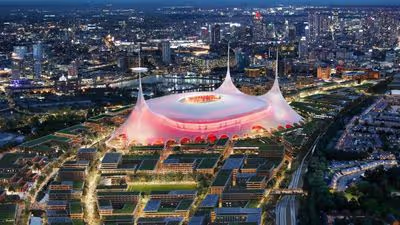
Manchester United’s proposed 100,000-seat “New Trafford” could command naming-rights fees up to £200m. For punters, that extra revenue may prompt bookmakers to shorten United’s title and top-four odds and fuel transfer-market activity — expect markets on trophy bets and summer signings to move if a major naming deal is confirmed.
Manchester United’s 100,000-capacity stadium could unlock huge naming-rights value
Manchester United has unveiled designs for a proposed new stadium that would replace Old Trafford and hold around 100,000 spectators. The project is expected to cost in excess of £2 billion and has been described by club leadership as aiming to become a landmark “Wembley of the North.” If built, the venue would be one of Europe’s largest stadiums and a major commercial asset for the club.

Price tag, capacity and the Old Trafford legacy
The new ground would mark the end of Old Trafford after more than a century as United’s home. At an estimated cost exceeding £2 billion and with a proposed 100,000-seat capacity, the stadium would represent a step change in scale. The design also envisions modern, environmentally responsible infrastructure and the ability to host non-football events to maximise revenue.
Commercial value and naming-rights estimates
Industry estimates place the potential value of selling naming rights at up to £200 million, reflecting the club’s global fanbase and the scale of the venue. Analysts point out that a modern, multi-use stadium expands the commercial audience beyond matchdays to concerts and major cultural events, making naming rights far more attractive to global partners.
How Premier League stadium naming deals compare
Several top-flight clubs already monetize stadium names, providing a useful benchmark for United: - Arsenal: Emirates Stadium - Manchester City: Etihad Stadium - Brighton: American Express Stadium - Brentford: Gtech Community Stadium - Bournemouth: Vitality Stadium - Everton: Hill Dickinson Stadium (reported near £10m per year on a decade-long deal) Some major venues, notably Tottenham Hotspur’s stadium, remain without a permanent commercial name despite heavy multi-event use, showing values can vary widely depending on market dynamics and deal structure.
Economic impact and timeline
The scheme is still at an early stage and construction is not imminent, meaning commercial negotiations — including naming rights — can take time. Proponents argue the venue could deliver significant local and national economic benefits once complete, though concrete timelines and final costs remain to be confirmed.
Betting implications: what punters should watch
The likely betting outcomes to monitor:
- Title and top-four markets: large commercial deals that boost United’s transfer budget could shorten odds on league and domestic-trophy markets.
- Transfer and summer-window markets: influx of revenue often leads to heavier favourite status in signings and market movement around key targets.
- In-play commercial prop markets: bookmakers may add or adjust novelty markets tied to the stadium (first event, naming-partner reveals).
Punters should treat early reports as market-moving rumours; firm contractual announcements are the most reliable triggers for sustained odds shifts.
The stadium proposal promises major commercial upside for Manchester United, but key details — timing, final cost, and any naming-rights partner — will determine the real impact on the club’s finances and related betting markets.
Kai Rooney's response to question about dad Wayne says it all as he drops Man United hint
Manchester United's new stadium is sure to cost a fortune, but they could instantly make a serious amount of money back.The Red Devils unveiled images
 Talksport